ThaiCookingHouse!
-
Favorite Recipe
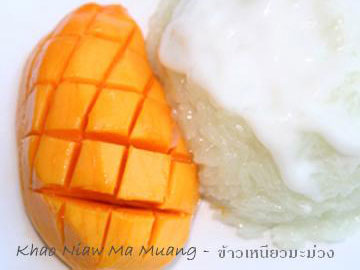
Khao Niaw Ma Muang
Mango with sticky rice is a refreshing and light dessert that still fills you up. The sweet juicy flavor of the mango complements the wonderful texture and flavor of the sticky rice and coconut sauce. A bright presentation of tropical fruits, this dish can also help make a meal shine, bringing a fun tone to a gathering. There is quite a variety of mangoes in the world, so experiment until you find what you like best. [Get Recipe]
-
Latest Recipe
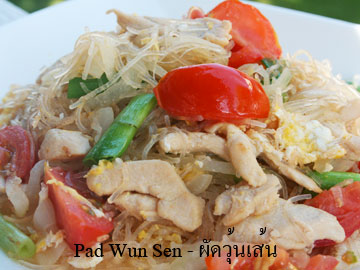
Pad Wun Sen
Pad Wun Sen is another popular dish that complements any Thai curry dish or goes well simply with rice or on its own. This dish is considered a low-calory dish that is easy to make. It can be served for lunch or dinner in a communual meal. A touch of green onion and tomatoes lend not only a bright contrast of color, but also a subtle contrast of taste to the dish. Everyone in the family from kids to adults can enjoy this simple dish together. [Get Recipe]
-
Latest Recipe
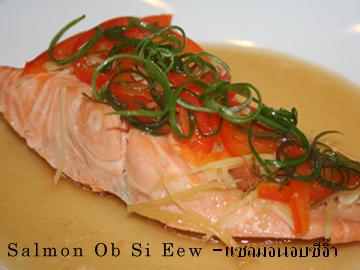
Salmon Ob Si Eew
This way of cooking results in a salmon dish with appealing texture that is juicy and tender. The dish is not greasy or oily like some other approaches can be, and is divided into satisfying servings which go well with accompanying dishes like salad. The presentation itself is similar to that used in some restaurants. The colorful toppings lend a subtle mix of flavor and texture while enhancing the visual presentation. This enticing dish offers a wonderful blend of flavor which helps make it a repeat favorite. [Get Recipe]